Halal investing, explained clearly
Understand halal investing — not just the label
Research-backed guides, transparent comparisons and plain-English explanations of Shariah screening, Islamic finance and halal investing.
Educational content only. Not a fatwa or personalised financial advice.
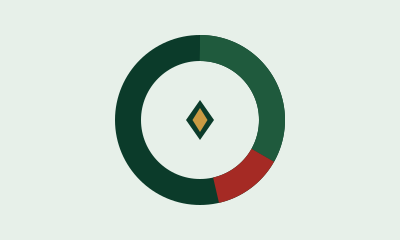
Sample assessment: screened index fund
Illustrative. Not an assessment of any named fund or provider.
Start here
Explore Halal Sarmaya
The prohibitions
Riba, gharar and maysir, defined and then applied to products you can actually buy.
Contract structures
Murabaha, ijarah, mudarabah, musharakah and sukuk, and what each one asks of both parties.
Screened funds and ETFs
What a halal index screen tests, when it is re-applied, and what happens between review dates.
Accounts and deposits
Fixed-return deposits, broker and app account features, and staking arrangements.
Screening standards
Why AAOIFI, Dow Jones, FTSE and MSCI disagree, and how to read a certificate's scope.
Workplace pensions
Default funds, self-select options, and the questions to put to a scheme administrator.
Latest
Latest guides
What you’ll find here
Practical guides and comparisons designed to show the methodology, evidence and limitations behind a conclusion — not just give you a label.
Stock Screening
Compare widely used stock screening tools and understand why different Shariah methodologies can produce different results.
Published 28 September 2026
Apps & Tools
Compare app features, pricing, investing capabilities and Shariah-screening approaches before choosing a platform.
Published 26 September 2026
Halal Investing
A practical framework for starting small, investing consistently, diversifying and keeping your process aligned with Shariah principles.
Published 15 September 2026
Method
The four checks behind every assessment
Name the standard
Every assessment states which published screening standard it is measured against, and cites the clause rather than a summary of it.
Read the documentation
Terms, prospectuses and scheme rules as published by the provider. Not marketing pages, not a certificate badge.
Record the disagreement
Where recognised scholars reach different conclusions, the note states each position and attributes it.
Date and publish the sources
Standards and documents change. Each assessment carries a review date and the list of documents it was read against.
If you are starting from cash
A reading path for beginners
Learn the three prohibitions
Riba, gharar and maysir. Almost every product question reduces to one of them.
Learn one contract structure
Murabaha is the most common, and understanding it makes the others legible.
Read an assessment in full
Follow the working rather than the verdict, so you can repeat it on a product we have not covered.
Take it to a scholar and an adviser
Bring the specific documentation. That is the conversation this site is designed to prepare you for.
Questions
What readers ask first
Get the monthly briefing
One email a month: new explainers, new assessments, and any corrections we have published.
No advice, no promotions, no sponsored verdicts. Unsubscribe in one click.
This is educational content, not a fatwa or personalised financial advice. Investment carries risk, including loss of capital. Verify any specific product with a qualified Shariah scholar and a licensed financial adviser before investing.